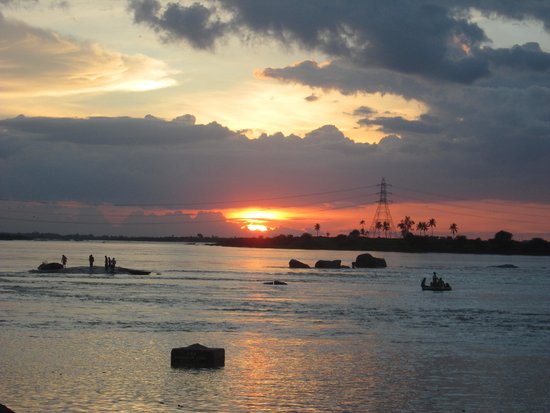
Tungabhadra River Near Mantralayam Visiting Guide — 10 Tips for an Unforgettable Riverside Pilgrimage
Ask any devotee what they remember most vividly about Mantralayam, and you’ll get two answers — the Brindavana darshan and the Tungabhadra. The river is not just a geographical feature near the temple. It IS Mantralayam. The entire spiritual identity of this place is woven around the Tungabhadra — Sri Raghavendra Swamy chose this exact spot on the riverbank for his Jeeva Samadhi, devotees take a holy dip in the river before darshan, evening Aarti reflections shimmer on the water’s surface, and the sound of the river flowing is the constant background melody to every prayer offered at the Brindavana.
No visit to Mantralayam is complete without spending time at the Tungabhadra. And yet, most pilgrims rush through their river visit — a quick dip, a hurried photo, and back to the temple. That’s like visiting Varanasi and skipping the Ganga Aarti. The Tungabhadra river near Mantralayam visiting guide you’re reading right now will change how you experience this sacred river. I want to help you understand the river’s spiritual significance, know exactly where to go and when, stay safe during your visit, and create memories that go far beyond a hurried dip.
The Tungabhadra river near Mantralayam visiting guide covers everything — ghats and access points, holy dip timings and rituals, seasonal water conditions, boating options, safety precautions, photography spots, what to carry, and the 10 practical tips that make your riverside experience perfect. The Tungabhadra at Mantralayam isn’t just a river. It’s the soul of this pilgrimage. Let me help you experience it properly.
Table of Contents
- Why the Tungabhadra Is Sacred at Mantralayam
- Tungabhadra River Ghats Near Mantralayam — Where to Go
- Holy Dip in the Tungabhadra — Timings, Rituals, and Process
- Seasonal Guide — How the River Changes Through the Year
- Boating on the Tungabhadra Near Mantralayam
- 10 Best Tips for Visiting the Tungabhadra River Near Mantralayam
- Photography Guide — Best Spots and Timings
- Safety Precautions at the Tungabhadra River
- What to Carry for Your Tungabhadra River Visit
- Riverside Rituals and Spiritual Practices
- The Tungabhadra Beyond the Ghat — Nearby River Attractions
- FAQ — Tungabhadra River Near Mantralayam Visiting Guide
Why the Tungabhadra Is Sacred at Mantralayam
The Tungabhadra isn’t just any river passing through a temple town. Its connection to Mantralayam runs deep — spiritually, historically, and geographically. Understanding this connection transforms your river visit from a casual stop to a meaningful pilgrimage experience. This is where the Tungabhadra river near Mantralayam visiting guide begins — with the why before the how. Every section of this Tungabhadra river near Mantralayam visiting guide builds on this spiritual foundation.
The sacred connection:
Sri Raghavendra Swamy, one of the most revered saints in Hindu tradition, specifically chose the banks of the Tungabhadra for his Jeeva Samadhi (entering the Brindavana alive in deep meditation) in 1671 CE. He didn’t select just any location — he chose where the Tungabhadra flows through Mantralayam because the river held deep spiritual significance in the Madhwa tradition. The river purifies, the Brindavana blesses, and the combination of water and prayer at this specific spot is considered extraordinarily powerful.
Why devotees bathe in the Tungabhadra before darshan:
| Belief | Significance |
|---|---|
| Spiritual purification | Bathing in the Tungabhadra before darshan is believed to cleanse the devotee of sins and prepare the mind for receiving the saint’s blessings |
| Tradition of centuries | Devotees have been bathing here before darshan since Sri Raghavendra Swamy’s time — it’s a 350+ year tradition |
| Madhwa tradition | In the Dvaita (Madhwa) philosophy, river bathing before temple worship is a prescribed ritual for spiritual readiness |
| Physical refreshment | Practically, the cool river water refreshes tired pilgrims who’ve travelled long distances, preparing them physically for darshan |
| Complete pilgrimage | Many believe that visiting Mantralayam without bathing in the Tungabhadra is an incomplete pilgrimage — like Kashi without the Ganga |
Quick Tip: You don’t have to take a full holy dip if you’re uncomfortable with river bathing. Many devotees simply touch the water, sprinkle it on their head, and offer a prayer at the ghat. The Tungabhadra river near Mantralayam visiting guide respects all comfort levels — the spiritual intent matters more than the depth of immersion.
Tungabhadra River Ghats Near Mantralayam — Where to Go
The Tungabhadra river near Mantralayam visiting guide must start with knowing which ghats to visit. Whether you’re a first-timer or a returning devotee, the Tungabhadra river near Mantralayam visiting guide ghat recommendations ensure you find the right spot. There are several access points along the river near the temple, each with different features and atmospheres.
Main Temple Ghat (Primary Ghat)
This is the main bathing ghat directly associated with the Sri Raghavendra Swamy Temple. It’s the closest river access point to the Brindavana — a short 5-10 minute walk from the temple entrance.
| Feature | Details |
|---|---|
| Distance from temple | 300-500 metres (5-10 minute walk) |
| Steps/access | Paved stone steps leading down to the water |
| Changing facilities | Basic changing rooms available nearby |
| Crowd level | High — this is where most pilgrims bathe |
| Best time | Early morning (5:00-7:00 AM) for spiritual bathing before darshan |
| Safety | Ropes provided during certain seasons; shallow area marked for safe bathing |
| Suitable for | All devotees — families, elderly (with assistance), children (supervision required) |
This is the ghat I recommend for first-time visitors in this Tungabhadra river near Mantralayam visiting guide. It’s the most accessible, closest to the temple, and has the strongest spiritual connection since it’s the traditional bathing point for Brindavana pilgrims.
Downstream Ghat (Quieter Option)
About 500-800 metres downstream from the main ghat, there’s a quieter stretch of riverbank that local devotees and repeat visitors often prefer.
| Feature | Details |
|---|---|
| Distance from temple | 800 metres – 1 km |
| Steps/access | Natural riverbank — less developed, some sandy areas |
| Changing facilities | None — carry a towel wrap for modesty |
| Crowd level | Low — mostly locals and regular visitors |
| Best time | Morning or late afternoon for peaceful experience |
| Safety | Less monitored — know your swimming ability |
| Suitable for | Experienced swimmers, visitors wanting solitude, photography enthusiasts |
Upstream Ghat (Near Manchale Road)
In the direction of Manchale, there’s another river access point that some pilgrims use, especially those visiting Manchale as part of their Mantralayam itinerary.
| Feature | Details |
|---|---|
| Distance from temple | 1-2 km (toward Manchale) |
| Steps/access | Basic, less maintained |
| Crowd level | Very low |
| Best time | Combined with Manchale visit |
| Suitable for | Visitors combining river experience with Manchale pilgrimage |
Pro Tip for the Tungabhadra river near Mantralayam visiting guide: Stick to the Main Temple Ghat if you’re visiting for the first time or travelling with family. It has the best infrastructure, the most assistance available, and the deepest spiritual energy. The downstream ghat is worth exploring on repeat visits when you want a quieter, more personal river experience.
Holy Dip in the Tungabhadra — Timings, Rituals, and Process
Taking a holy dip (Snaanam) in the Tungabhadra is the highlight of the riverside experience for most devotees. Here’s everything the Tungabhadra river near Mantralayam visiting guide can tell you about the process. This Tungabhadra river near Mantralayam visiting guide holy dip section covers timings, step-by-step ritual, and what to expect.
Best Timings for Holy Dip
| Time Slot | Atmosphere | Crowd | Water Temperature | Recommended For |
|---|---|---|---|---|
| Brahma Muhurta (4:30-5:30 AM) | Dark, extremely peaceful, deeply spiritual | Very low | Cool (especially winter — 15-20°C) | Serious devotees, early risers, traditional ritual observers |
| Early morning (5:30-7:00 AM) | Dawn light, beautiful, calm | Low-moderate | Cool and refreshing | Best overall slot — I recommend this for most visitors |
| Morning (7:00-9:00 AM) | Full daylight, warm atmosphere | Moderate-high | Pleasant | Families with children, first-time visitors |
| Late morning (9:00-11:00 AM) | Bright sun | High (peak bathing time) | Warm | Those who prefer warmer water |
| Afternoon (2:00-4:00 PM) | Hot (summer), warm (winter) | Low | Warm to hot | Not ideal in summer — good in winter |
| Evening (4:30-6:00 PM) | Beautiful sunset light | Moderate | Cooling down | Photography, sunset experience, light dip before evening Aarti |
My top recommendation in this Tungabhadra river near Mantralayam visiting guide: Visit between 5:30 AM and 7:00 AM. The light is magical, the crowd is manageable, and you’ll have time for the holy dip followed by a leisurely walk to the temple for morning darshan. The early morning sequence — river bath → temple darshan → prasadam breakfast — is the perfect Mantralayam morning.
The Holy Dip Process
Here’s how most devotees traditionally take the holy dip according to the Tungabhadra river near Mantralayam visiting guide:
Step 1: Preparation Change into bathing clothes at the changing area or your hotel. Men typically wear a dhoti/lungi. Women wear a saree or dedicated bathing dress. Carry a dry set of clothes in a waterproof bag.
Step 2: Entering the Water Walk down the stone steps at the main ghat. The shallow area near the steps is usually waist-deep (varies by season). Hold the ropes if available. Don’t venture into deeper areas.
Step 3: The Ritual Dip The traditional practice involves three dips (Muppurugu Snaanam) — each dip accompanied by a prayer or mantra. Most devotees chant “Sri Raghavendra” or “Govinda” with each immersion. Face the direction of the temple/Brindavana while bathing.
Step 4: Offerings Some devotees offer flowers, turmeric (haldi), and kumkum to the river. Small oil lamps (diyas) are floated on the water, especially during evening visits.
Step 5: Exit and Change Return to the steps carefully (wet stone can be slippery). Change into dry temple clothes for darshan. Many devotees carry the river water in small bottles to take home as sacred water (Theertha).
Quick Tip: If you’re not comfortable entering the water, simply stand at the ghat steps, cup your hands in the river, and pour water over your head three times while chanting. This is equally valid and many elderly devotees and young children do this. The Tungabhadra river near Mantralayam visiting guide encourages everyone to connect with the river in whatever way feels right.
Seasonal Guide — How the River Changes Through the Year
The Tungabhadra is not the same river year-round. Water levels, flow speed, temperature, and safety conditions change dramatically between seasons. This Tungabhadra river near Mantralayam visiting guide seasonal section is critical for planning your visit. Understanding seasonal changes is what separates a well-planned Tungabhadra river near Mantralayam visiting guide trip from a disappointing one.
| Season | Months | Water Level | Flow Speed | Water Temp | Bathing Safety | Overall Experience |
|---|---|---|---|---|---|---|
| Winter | November-February | Low-moderate | Gentle, calm | Cool (15-22°C) | ✅ Safest — calm, clear water | ⭐⭐⭐⭐⭐ Best season — comfortable, safe, beautiful |
| Post-monsoon | September-October | Moderate-high | Moderate | Comfortable (22-26°C) | ⚠️ Moderate — currents present, some areas deep | ⭐⭐⭐⭐ Good — river full and flowing beautifully |
| Early summer | March-April | Low-moderate | Very gentle | Warm (25-30°C) | ✅ Safe — low water, gentle flow | ⭐⭐⭐⭐ Good — warm water, easy bathing |
| Peak summer | May-June | Low (can be very low) | Minimal | Hot (30-38°C) | ✅ Safe (shallow) but uncomfortable heat | ⭐⭐⭐ Hot weather, but river dip is refreshing |
| Early monsoon | July | Rising rapidly | Increasing | Cool (24-28°C) | ⚠️ Caution — water levels unpredictable, sudden rises | ⭐⭐ Unpredictable — check conditions before entering |
| Peak monsoon | August | Very high — flooding possible | Strong, dangerous | Cool (22-26°C) | ❌ Dangerous — AVOID bathing during floods | ⭐ Avoid river — watch from safe distance only |
Critical safety note for this Tungabhadra river near Mantralayam visiting guide: During the monsoon months (July-August), the Tungabhadra can flood rapidly and without warning. Water released from the Tungabhadra Dam upstream can raise river levels by several feet within hours. Local temple authorities sometimes restrict river access during high-water periods. Always check with temple staff or your hotel about current river conditions before heading to the ghat. Your Tungabhadra river near Mantralayam visiting guide top priority is always safety.
The Aradhana Festival at Mantralayam typically falls in August — coinciding with monsoon season. If you’re visiting during Aradhana, the river may be in flood. Devotees can still offer prayers at the ghat from a safe distance, but full immersion bathing may not be possible or safe. The Tungabhadra river near Mantralayam visiting guide strongly advises caution during this period.
Pro Tip: The absolute best time for a Tungabhadra river experience is November through February. Low water levels, gentle currents, cool-but-comfortable water temperature, and clear weather create perfect conditions for bathing, photography, and riverside meditation. If you can choose when to plan your trip, this window gives you the best Tungabhadra river near Mantralayam visiting guide experience possible.
Boating on the Tungabhadra Near Mantralayam
Boating on the Tungabhadra near Mantralayam is a peaceful, scenic experience that many visitors enjoy — especially families with children who may not want to bathe but still want to experience the river.
Boating Availability
| Detail | Information |
|---|---|
| Availability | Seasonal — primarily October to March (water conditions permitting) |
| Types | Coracle rides (traditional round boats) and small motorboats (limited) |
| Duration | 15-30 minutes per ride |
| Cost | ₹50-150 per person (coracle), ₹200-400 per group (motorboat) |
| Timing | Morning (7:00-11:00 AM) and evening (3:00-6:00 PM) |
| Boarding point | Near the main ghat or slightly downstream |
| Capacity | Coracle: 3-5 people |
| Safety equipment | Life jackets should be provided — always insist on wearing one |
What to Expect During a Coracle Ride
Coracles are traditional round wicker boats covered in waterproof material — they’ve been used on South Indian rivers for centuries. The boatman sits in the centre and paddles in a circular motion, spinning the coracle gently across the water. It’s an experience that’s uniquely South Indian and something you won’t find in most other pilgrimage destinations.
During the ride, you’ll get beautiful views of the Mantralayam temple complex from the river, see the ghats from the water perspective, and enjoy the peaceful sound of water lapping against the coracle. On clear days, the reflection of the temple gopuram on the water surface is stunning.
Quick Tip from the Tungabhadra river near Mantralayam visiting guide: Coracle rides are most enjoyable in the early morning or late afternoon when the light is golden and the heat is manageable. Midday coracle rides in summer can be uncomfortably hot since there’s no shade on the water. Always confirm that life jackets are available before boarding — especially for children.
Boating is NOT available during monsoon (July-August) when water levels are high and currents are dangerous. The Tungabhadra river near Mantralayam visiting guide recommends scheduling your boating experience for the winter months (November-February) when conditions are ideal.
10 Best Tips for Visiting the Tungabhadra River Near Mantralayam
These 10 tips are the heart of this Tungabhadra river near Mantralayam visiting guide — practical advice from years of helping visitors make the most of their riverside experience.
Tip 1: Visit Early Morning for the Best Experience
The 5:30-7:00 AM window gives you everything — cool water, golden dawn light, minimal crowd, and the perfect timing for a river dip followed by temple darshan. This is the #1 tip in the entire Tungabhadra river near Mantralayam visiting guide. An early visit transforms the experience from “checking a box” to genuinely moving.
Tip 2: Wear Appropriate Bathing Clothes
Don’t wear your best temple clothes into the river. Carry a separate set for bathing — men should bring a lungi/dhoti, women should wear a dedicated bathing outfit or old saree over regular clothes. Pack your dry temple clothes in a waterproof bag to change into afterwards. The Tungabhadra river near Mantralayam visiting guide stresses this because I’ve seen many visitors ruin their temple clothes or feel uncomfortable bathing in inappropriate attire.
Tip 3: Check River Conditions Before Entering
Ask your hotel staff or temple volunteers about current water levels before heading to the ghat. During monsoon or dam release periods, conditions change rapidly. The Tungabhadra river near Mantralayam visiting guide’s golden rule: when in doubt, stay on the steps and offer prayers from the ghat without entering the water.
Tip 4: Use the Ropes and Stay in Shallow Areas
The main ghat has ropes strung across the bathing area during certain seasons. Use them — they’re there for your safety. Stay in the designated shallow zone near the steps. The riverbed drops off steeply in some areas, and currents can be deceptive even when the surface looks calm.
Tip 5: Never Leave Children Unattended Near the River
This cannot be stressed enough in any Tungabhadra river near Mantralayam visiting guide. Children must be within arm’s reach at all times near the water. The stone steps get slippery, the river current can surprise even adults, and the noise at busy ghat times can make it hard to hear a child calling for help. Hold hands, stay close, and watch constantly.
Tip 6: Carry a Waterproof Bag for Valuables
Phones, wallets, ID proofs, and car keys should go into a waterproof pouch or zip-lock bag. Leave anything not essential at your hotel. The ghat area has no lockers, and wet clothes mean wet pockets. I’ve heard too many stories of phones destroyed by river water — a simple waterproof bag prevents this.
Tip 7: Bring Rubber Slippers or Water Shoes
The stone ghat steps get extremely slippery when wet. Regular footwear becomes a hazard. Rubber slippers with good grip or dedicated water shoes make the walk down to the river and back up to the temple much safer. The Tungabhadra river near Mantralayam visiting guide recommends this small investment — your feet and your safety will thank you.
Tip 8: Spend Time Sitting at the Ghat — Don’t Rush
Most pilgrims dip and leave. Instead, find a spot on the ghat steps after your bath and sit quietly for 15-20 minutes. Watch the river flow. Listen to the water. Feel the breeze. Many devotees say this quiet time at the riverbank is when they feel the deepest sense of peace during their Mantralayam visit. The Tungabhadra river near Mantralayam visiting guide’s biggest piece of advice: slow down and absorb the experience.
Tip 9: Visit Both Morning and Evening for Different Experiences
The river feels completely different at different times. The morning river is cool, misty, and energising — perfect before darshan. The evening river reflects sunset colours, carries the sounds of distant Aarti preparations, and feels contemplative and calming. If your schedule allows, visit the Tungabhadra twice during your Mantralayam stay. The morning visit for the holy dip, the evening visit for the atmosphere.
Tip 10: Carry a Small Bottle to Take River Water Home
Many devotees collect Tungabhadra water in small bottles to take home as sacred Theertha (holy water). Use a clean, sealable bottle. Collect water from the flowing section of the river (not stagnant pools). Some families keep this water at their home altar and use it during daily prayers — a way to bring a piece of the Mantralayam experience home with you.
Photography Guide — Best Spots and Timings
The Tungabhadra at Mantralayam offers stunning photography opportunities that many visitors miss because they don’t know where and when to shoot. This section of the Tungabhadra river near Mantralayam visiting guide is for anyone who wants to capture the beauty of this sacred river. A good photo from the river is the best souvenir any Tungabhadra river near Mantralayam visiting guide reader can take home.
Best Photography Spots
| Spot | What You’ll Capture | Best Time | Tip |
|---|---|---|---|
| Main ghat steps (elevated view) | Wide river view with devotees, steps, and water | Sunrise (6:00-7:00 AM) | Shoot from the top of the steps looking down for scale |
| Riverbank downstream | Temple gopuram reflected in water | Early morning or sunset | Calm water gives the best reflections — go during low-wind conditions |
| Coracle on the river | Panoramic riverside views, temple from water | Morning golden hour | Request the boatman to pause at photogenic spots |
| Ghat during evening Aarti prep | Diyas, flowers, devotees, warm lamplight | 6:00-7:00 PM | Oil lamps on the water surface create magical shots |
| Bridge viewpoint (if accessible) | Wide landscape with river, town, and fields | Late afternoon | Best for panoramic/landscape shots |
Photography Timings
| Time | Light Quality | What to Shoot | Camera Settings Tip |
|---|---|---|---|
| 5:30-6:30 AM | Golden hour — warm, soft, directional | Silhouettes, misty river, bathing rituals | Low ISO, wide aperture, shoot toward the light for drama |
| 6:30-8:00 AM | Bright but still soft | Activity at the ghat, clear water shots | Medium ISO, flexible settings |
| 4:30-5:30 PM | Warm afternoon light | Temple reflections, river landscape | Low ISO, experiment with angles |
| 5:30-6:30 PM | Sunset golden hour | Dramatic colours, silhouettes, lamp reflections | Bracket exposures for high dynamic range |
Pro Tip for the Tungabhadra river near Mantralayam visiting guide photography section: Phone cameras work beautifully here — you don’t need professional equipment. The key is timing (golden hour) and patience (wait for the right moment). If shooting during the holy dip, ask permission before photographing other devotees — most are happy to be included, but it’s respectful to ask.
Safety Precautions at the Tungabhadra River
Safety is the most important section of this Tungabhadra river near Mantralayam visiting guide. The Tungabhadra is a real river with real currents — not a swimming pool. Respecting the water keeps your experience joyful and safe.
Safety Rules
| Rule | Why It Matters |
|---|---|
| Never bathe alone | If you slip or get caught in current, someone needs to alert help immediately |
| Stay in designated bathing areas | Shallow marked zones are safest — deeper areas have unpredictable currents |
| Don’t enter during floods/high water | Monsoon floods are deadly — no pilgrimage is worth risking your life |
| Supervise children at ALL times | Slippery steps + curious children + moving water = danger without constant adult oversight |
| Wear grip footwear on the ghat | Wet stone steps cause the most injuries — more than the river itself |
| Don’t swim across or into the main channel | Even strong swimmers can be caught by undertow currents near the river centre |
| Check with locals about dam release timing | Upstream dam releases can raise water levels rapidly and without warning at the ghat |
| Avoid alcohol before river visits | Impaired judgment near moving water is a recipe for tragedy |
Emergency Information
| Resource | Contact | Location |
|---|---|---|
| Temple security | Available at the main ghat | On-site during busy hours |
| Local police station | 08518-287233 (approximate) | Mantralayam town |
| Nearest hospital | Government Hospital, Mantralayam / Kurnool District Hospital | 2 km / 95 km |
| Ambulance | 108 (AP emergency services) | State-wide |
The Tungabhadra river near Mantralayam visiting guide cannot stress this enough: the river is sacred, beautiful, and life-giving — but it demands respect. Every year, incidents occur at river ghats across India because visitors underestimate water currents. Follow the safety rules, stay in designated areas, and your river experience will be the highlight of your Mantralayam pilgrimage. Treating safety seriously is the most important takeaway from this entire Tungabhadra river near Mantralayam visiting guide.
What to Carry for Your Tungabhadra River Visit
The Tungabhadra river near Mantralayam visiting guide packing list makes sure you’re prepared for a comfortable and complete riverside experience. Following this Tungabhadra river near Mantralayam visiting guide checklist means no last-minute scrambling at the ghat.
Essential Items
| Item | Why You Need It |
|---|---|
| Bathing clothes (separate from temple clothes) | Keeps your temple outfit dry and clean for darshan afterwards |
| Dry towel | For drying off before changing — river wind can make wet clothes uncomfortable |
| Waterproof bag/zip-lock pouch | Protect phone, wallet, ID, and car keys from water damage |
| Rubber slippers with grip | Stone steps are extremely slippery — regular footwear becomes dangerous when wet |
| Small clean bottle (for holy water) | Collect Tungabhadra Theertha to take home for your prayer room |
| Sunscreen (SPF 50+) | The ghat area has no shade — sun exposure during morning rituals adds up |
| Dry change of clothes in separate bag | Change into fresh temple clothes after your dip |
| Small towel or mat to sit on | The ghat steps can be rough/dirty — a small mat makes sitting comfortable |
Optional but Useful
| Item | Use |
|---|---|
| Camera/phone in waterproof case | Capture riverside moments without risking water damage |
| Flowers, coconut, turmeric | For traditional riverside offerings (also available at shops near the ghat) |
| Oil lamp (diya) and match | For floating on the river during evening visit (available at temple shops too) |
| Light snack and water bottle | If spending extended time at the ghat — no food shops directly at the river |
Quick Tip: Most items for riverside rituals (flowers, turmeric, diyas, coconut) are available at small shops near the temple and ghat approach. You don’t need to carry these from home unless you prefer specific items. The Tungabhadra river near Mantralayam visiting guide recommends buying locally — it supports the local economy and is convenient.
Riverside Rituals and Spiritual Practices
Beyond the holy dip, the Tungabhadra riverbank offers several spiritual practices that deepen the pilgrimage experience. The Tungabhadra river near Mantralayam visiting guide includes these for devotees who want a more immersive spiritual visit. These rituals are what make the Tungabhadra river near Mantralayam visiting guide different from a standard tourist information page — this is a pilgrim’s guide.
Sandhyavandanam (Twilight Prayers)
Many Brahmin devotees perform Sandhyavandanam — the traditional twilight prayers — at the Tungabhadra ghat during morning and evening. If you observe this practice, the Mantralayam riverbank is one of the most powerful locations to perform it. The flowing sacred river, proximity to the Brindavana, and the peaceful dawn atmosphere create ideal conditions.
Pitru Tarpana (Ancestral Offerings)
Devotees perform Tarpana — ritual water offerings to ancestors — at the Tungabhadra ghat. Mantralayam is considered an auspicious location for these offerings because of Sri Raghavendra Swamy’s presence. Priests (Purohits) are available near the ghat to guide you through the Tarpana rituals. Cost is typically ₹200-500 depending on the ritual. The Tungabhadra river near Mantralayam visiting guide notes that Tarpana is especially popular during Pitru Paksha (September/October) and annual death anniversaries (Tithi).
Diya Floating (Evening Offering)
During evening visits, floating lit oil lamps (diyas) on the Tungabhadra is a beautiful and moving practice. Devotees place small diyas with flowers on banana leaf or paper plates and set them floating on the water. Watching dozens of tiny flames drift downstream toward the darkness is a moment of pure devotion. This practice is similar to the Ganga Aarti tradition and is particularly popular during festivals and special occasions.
Riverside Meditation
The Tungabhadra riverbank is an exceptional spot for quiet meditation. The sound of flowing water, the distant temple bells, and the open sky create a natural meditation environment. Many devotees sit at the ghat for 15-30 minutes in silent contemplation after their holy dip — and consistently describe it as the most peaceful experience of their Mantralayam visit. The Tungabhadra river near Mantralayam visiting guide encourages this practice for anyone seeking deeper spiritual connection beyond the standard darshan routine.
The Tungabhadra Beyond the Ghat — Nearby River Attractions
The Tungabhadra river near Mantralayam visiting guide extends beyond the temple ghat. Most visitors only see the main bathing area, but this Tungabhadra river near Mantralayam visiting guide reveals additional river experiences within easy reach.
Tungabhadra Riverbed Walk (Low Water Season)
During summer (March-June) when water levels are low, large sections of the riverbed become exposed — creating a unique opportunity to walk on the sandy/rocky riverbed. Children love this experience, and the patterns left by receding water on the sand make for interesting photographs.
When: March-June | Where: Downstream from main ghat | Duration: 30-60 minutes | Caution: Stay away from remaining water channels — pockets of deep water can be hidden
Sunset Viewpoint Along the River
About 1 km downstream from the temple, there’s an elevated spot where the river bends slightly, offering a panoramic view of the Tungabhadra with the temple complex in the background. This is the best sunset photography spot mentioned in the Tungabhadra river near Mantralayam visiting guide — and it’s rarely crowded because most visitors stay at the main ghat.
Manchale Riverside Walk
The walk from Mantralayam temple to Manchale (5 km) follows a path that runs roughly parallel to the Tungabhadra for portions of the route. During pleasant weather, this walk offers beautiful river views and a peaceful countryside experience. Auto-rickshaws are available if you prefer to ride.
River Bridge Views
The road bridge crossing the Tungabhadra near Mantralayam provides elevated views of the river stretching in both directions. While not a formal viewpoint, stopping briefly on the bridge (if on foot or if your vehicle can safely pull over) gives you a perspective of the river’s width and beauty that the ghat-level view doesn’t provide.
FAQ — Tungabhadra River Near Mantralayam Visiting Guide
What is the best time to visit the Tungabhadra river at Mantralayam?
The best time for the holy dip is early morning between 5:30 AM and 7:00 AM — cool water, golden light, minimal crowd, and perfect timing for post-bath temple darshan. For the best seasonal experience, visit between November and February when water levels are calm, temperatures are comfortable, and safety conditions are ideal. The Tungabhadra river near Mantralayam visiting guide strongly recommends avoiding monsoon months (July-August) when the river can flood dangerously. Evening visits (4:30-6:00 PM) are beautiful for atmosphere, photography, and floating diyas — even if you’ve already taken your morning dip.
Is it safe to bathe in the Tungabhadra river at Mantralayam?
Yes — bathing is safe when you follow basic precautions. Use the main temple ghat with paved steps and designated shallow areas. Stay in the marked bathing zone and use ropes when provided. Never bathe during monsoon flooding or dam release periods. Never leave children unattended near the water. Wear grip footwear on the wet stone steps. Avoid swimming toward the centre of the river where currents are stronger. The Tungabhadra river near Mantralayam visiting guide emphasises that most safety incidents happen when visitors ignore these basic rules. Follow them, and the river experience is safe and profoundly memorable.
Do I have to take a holy dip before temple darshan?
No — taking a holy dip is traditional and spiritually meaningful, but it’s not mandatory for darshan. The Mantralayam temple welcomes all devotees regardless of whether they’ve bathed in the Tungabhadra. Many elderly visitors, young children, and people with health conditions offer prayers at the ghat without entering the water — touching the water and sprinkling it on the head is equally valid. The Tungabhadra river near Mantralayam visiting guide encourages every visitor to connect with the river at their comfort level.